Banff: Nature Photography
American Dipper
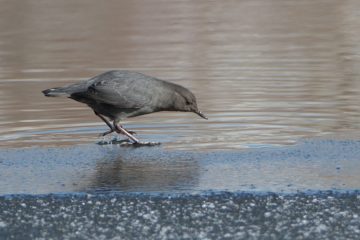
The frozen lake was only inhabited by one bird: the American dipper. It was constantly stalking, diving and catching small fish in the small area of open water.
The frozen lake was only inhabited by one bird: the American dipper. It was constantly stalking, diving and catching small fish in the small area of open water.
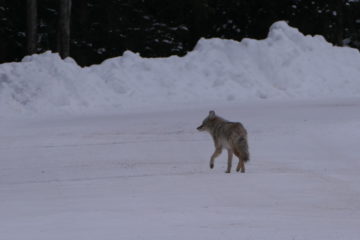
Dusk was moving in and the day was nearly at an end. I came across this coyote making its way towards the forest in search of prey.
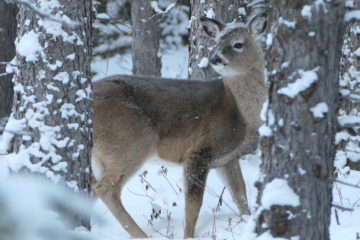
While walking in the forest on this bitter morning I came across a group of white tailed deer. They were keeping an eye out for danger while eating any vegetation that could be found.
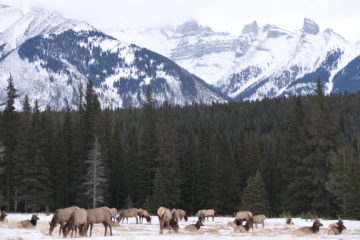
I came across this elk herd a couple days back. The mountains behind provided a great shot to capture.
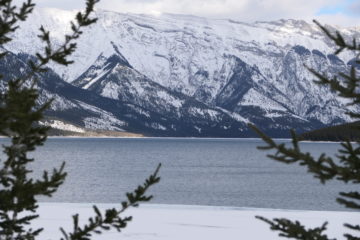
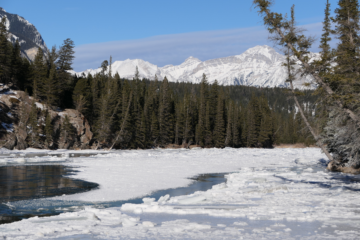
A half frozen lake with a snowy mountain behind.
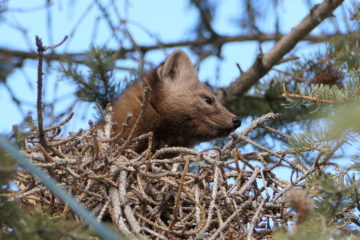
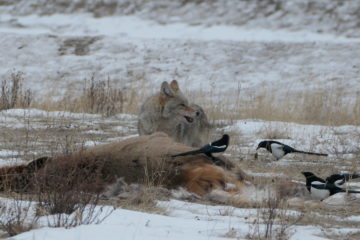
It was only two weeks back when I came across my first American Marten of the year. This one I came across investigating an old birds nest well being harassed by the magpies.
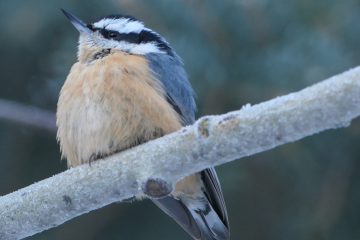
Nuthatches are mostly seen scampering up and down trees in search of food. This one was perched on a small branch for around half a minute giving ample time to take its photo.
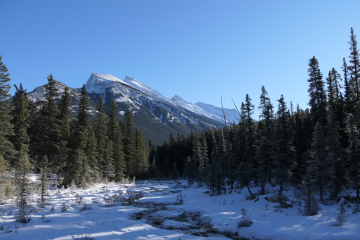
The morning sunlight gave a great opportunity to take a photo of Mt. Rundle with the frosted creek in the foreground.
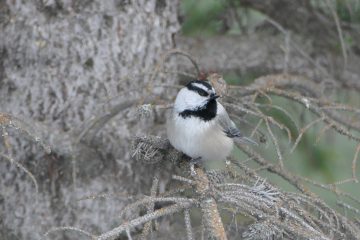
This chickadee gave me a split second to take a photo, it then flew away.
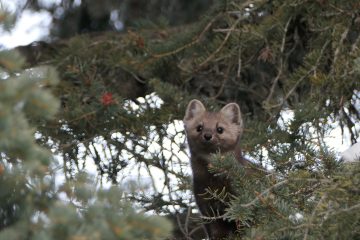
Although we see many marten tracks when out on a walk in the woods, one could wonder why we see the marten itself so infrequently. Today, I was out photographing blue jays when I heard the calls of at least 10 magpies concentrated in one area. I went to investigate Read more…
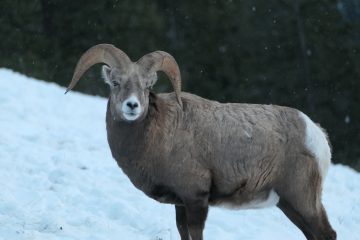
Near to the town of Banff, we have two Bighorn Sheep herds: one on the road stretch from Two Jack Lake Campground to Lake Minnewanka and one in the Norquay road area. These photos are of the latter herd.
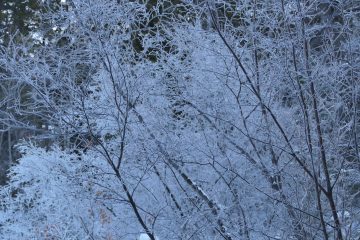
The frost on trees and their branches is a beautiful sight in the bleak mid-winter.
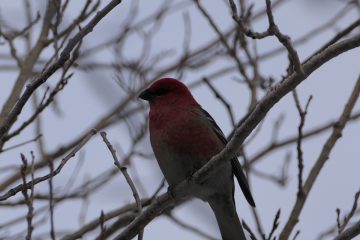
A flock of pine grosbeaks came my way and I grabbed a few photos of the males with their bright red feathers.
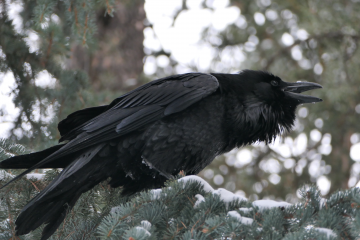
This large raven was cawing on the ground and in the tree. Although common, the raven is impressive up close.
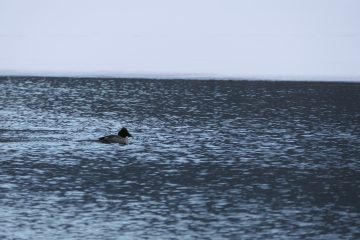
Common Goldeneye along the Vermilion Lakes road in Banff National Park. Was constantly diving in order to catch a meal.
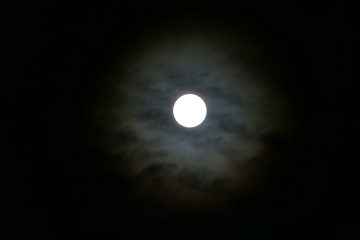
The Full Moon from the Vermilion Lakes road in Banff National Park
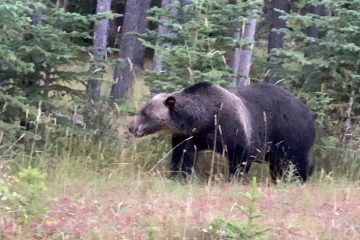
Take a glance at this recent book on Banff’s wildlife. Banff is Canada’s first ever national park and it holds an incredible amount of diversity of wildlife. I have tried to make this book specific on Banff’s wildlife only. The locations that I recommend to view the wildlife is specific Read more…
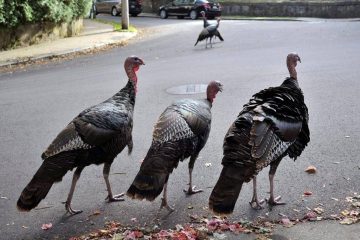
The new coronavirus has had a profound impact on a few species of wildlife. In many places, wildlife is reclaiming the home that was stolen from them by us. A great example of this would be in Wales: The white Great Orme Goats have reclaimed a town (The Atlantic) and Read more…
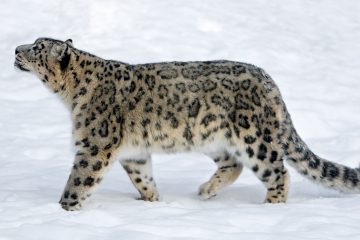
The snow leopard is the least studied of all the big cats. They are so seldom seen because their home ranges cover over 200km squared. They have a large home range because prey is infrequent and far between. As well as this, snow leopards are facing an even bigger challenge; Read more…
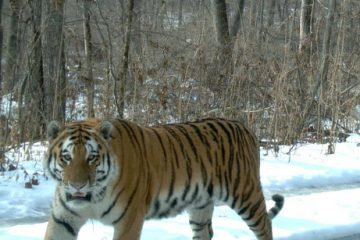
Tigers are one of the most known species to mankind. Tigers signify beauty and danger at the same time. Tigers are ubiquitous. Although they may be common throughout books, games, and the internet, they themselves are not common. In fact, their overall species (Panthera tigris) are the most at risk Read more…
Dynasties is the latest major BBC Earth production narrated by David Attenborough. This TV series has five spectacular episodes about the dynasty of the chimpanzee, penguin, lion, painted wolf and the spectacular tiger. The series shows the hardships these five animals have to face to survive. I would highly recommend Read more…
Planet Earth was the first major BBC Earth production narrated by the most popular wildlife presentor, David Attenborough. Planet Earth was the start of all the great series the BBC Earth team have produced. This series highlights all of the Earth’s natural habitat’s. Planet Earth starts off with episode one, Read more…
Photo credit: http://beautiful-wildlife.tumblr.com Habitat: The grizzly bear’s preferred habitats are forested areas with rivers to catch fish. Mountain bears forage along slopes and through scree where bugs and insects are plentiful. Food: Like the grizzly’s cousin the majority of its diet is plants, berries, roots, fruits and leaves but other animals Read more…
Photo credit: http://beautiful-wildlife.tumblr.com Habitat: Black bears are forest animals and can climb trees even when an adult. In spring, black bears come out to forage on open meadows are beside roads. Food: Most of the black bear’s diet consists of plant material, berries, flowers, leaves, buds, fruits and roots are eaten. Read more…
Photo credit: http://beautiful-wildlife.tumblr.com Habitat: Wolverines have an enormous range of habitats and prefer areas of remote wilderness. In summer, it hunts on alpine tundra and in winter wolverines retreat to valleys sometimes far away from mountains. Food: Wolverines prey on large and small animals including mice, gophers, beavers, birds, fish, and Read more…
Photo credit: http://beautiful-wildlife.tumblr.com Habitat: Minks are always found near water sources, it frequents coniferous and hardwood forests wet zones. They are found in bush lands and stream side vegetation zones on the foothills. Food: A mink’s favorite food by far are muskrats but it will hunt frogs, fish, mice, voles, rabbits, Read more…
Photo credit: Photo credit: http://beautiful-wildlife.tumblr.com Habitat: Fisher’s prefer dense coniferous forests and are not in young forests where the trees have been thinned by logging or forest fires. They are active only at night so are rarely seen in daylight. Food: Fishers, like other weasels eats squirrels, hares, mice, muskrats, grouse, and Read more…
Photo credit: http://beautiful-wildlife.tumblr.com Habitat: The pine marten’s preferred habitat are mature coniferous forests, places with dead trees to provide cover for its prey. Food: The marten’s main prey consists of voles but being an opportunistic hunter the pine marten will eat squirrels, bird eggs, chicks, insects, pikas, marmots, and occasionally berries Read more…
Photo credit: http://beautiful-wildlife.tumblr.com Habitat: Bobcats are found throughout most of the US and a fraction of Canada. They prefer woodlands and open prairie/grassland areas where prey is plentiful. Food: Bobcats eat smaller morsels especially snowshoe hares, jackrabbits, and cottontails which make up 90% of their diet. They will occasionally kill deer, Read more…
Photo Credit: http://beautiful-wildlife.tumblr.com Habitat: Canada Lynx’s only occur in Canada and a fraction of the US. It prefers alpine areas and forests where their prey lives. Food: Canada Lynx’s favorite food is by far the snowshoe hare but will eat other small mammals and occasionally deer but these records are most Read more…
Photo Credit: http://beautiful-wildlife.tumblr.com Habitat: Cougars are found throughout much of south and north america. They prefer woodlands and places where prey is plentiful. Food: Cougars eat a variety of prey such as deer, elk, bighorn sheep, pronghorn, smaller rodents, and rarely beavers, coyotes and black bears.
The most critically endangered animal in the world is finally recovering in Land of the Leopard National Park from just 30 individuals in 2012 to now 84 adult cats and 19 cubs in 2018 that are protected in this national park in the Russian Far East. Camera traps are the Read more…
Description and Adaptation Male Narwhals have many black spots on its back while female Narwhals have black spots on its side and back. Males have long tusks which can be as long as 9 ft and weigh 22 lb. Narwhals flippers are short and wide and have a short circular Read more…
Description and Adaptation Pronghorns upper part and legs are tan and its belly is white. Pronghorns eyes are set on the side of its head so it can look behind as well as in front. They do not have dewclaws on its legs like like other antelopes. Does horns are Read more…
Description and Adaptation Burrowing owls are covered in brown spotted feathers and have long legs compared to other owls or birds. They weigh approximately 9 ounces. Their long legs give them height which means they can look for danger across the prairie. Habitats, Landforms and Climate Burrowing owls live in Read more…
Description and Adaptation The Swift Foxes weight is approximately 4-6 lb. Swift foxes are called swift foxes because of their speediness and they are able to run up to 30mph. They use their speed to escape predators, especially coyotes. Swift foxes back are grey and its side is yellowish buff. Each Read more…
Description and Adaptation The Plains bison average weight is around 725 kilograms and they are very fast despite their size. Because many predators frequently chase them they need to be fast. Bison legs are black and most of their body is dark or lightish brown. They have a long brown Read more…
The wolverine is defiantly the rarest, elusive, animal in the Canadian Rockies, probably one of the rarest in the whole of Canada. Most people see them by luck when they are out on a back country trip. Even then most people never ever see them. To watch them for a Read more…
Photo Credit: http://beautiful-wildlife.tumblr.com Habitat: Wolves like a variation of places to live, but now prefer mainly forests or tundra Food: Wolves are large carnivores so eat large prey, their favorite is bighorn sheep and elk, but they tend to eat small rodents as well.
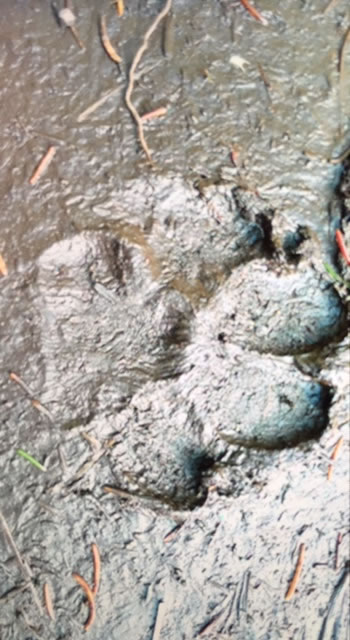
Photo Credit: beautiful-wildlife.tumblr.com Food: They eat hares, squirrels, birds, but sometimes eat cactus fruits and melons. Farmers do not like coyotes because they take sheep and pigs for food as well. Habitat: Coyotes are found everywhere in North America except the barren tundra far north. They have expanded their range Read more…